The Advance Form Checklist Every Tour Manager Needs
A practical advance form checklist for venue specs, hospitality, parking, contacts, production details, and show-day logistics.

tour-flow Team
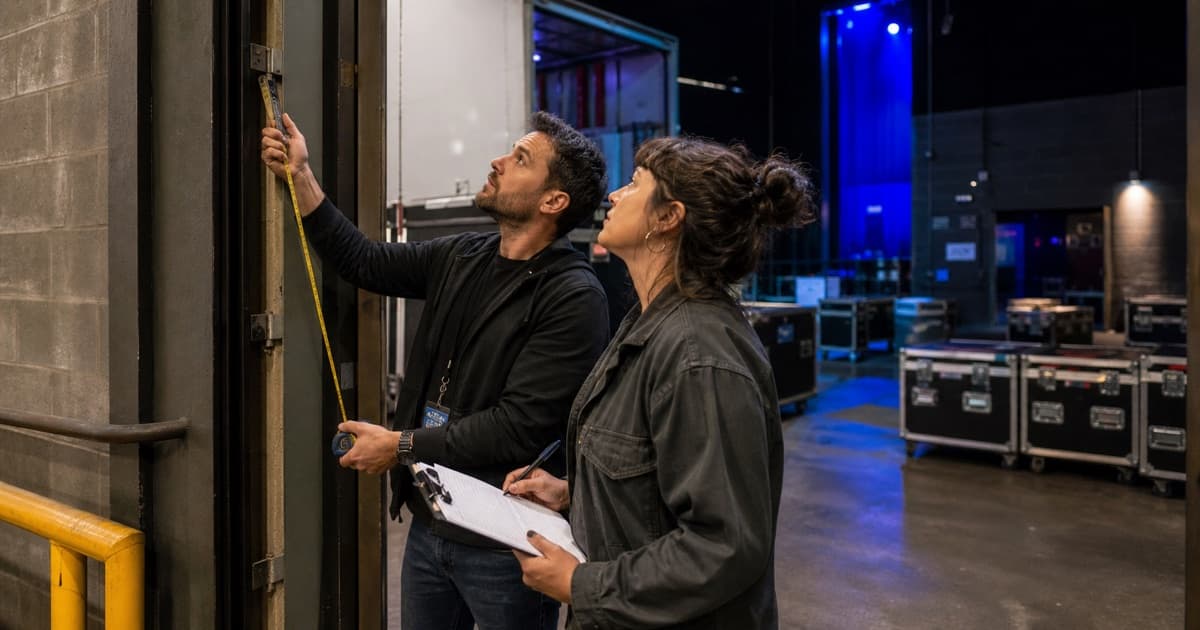
The advance is where show day gets won or lost. By the time the bus rolls into the loading dock, the important questions should already be answered: where the truck parks, who has the keys, which door is actually the load-in, whether dinner is hot, and what happens if curfew is missed.
A good advance form does not need to be pretty. It needs to be complete, easy to scan, and consistent across every date on the tour.
Start With the Contacts
Before you ask for specs, get the humans right. Every advance form should capture:
- Venue production manager
- Promoter representative
- Stage manager or house tech lead
- Security lead
- Box office contact
- Catering or hospitality contact
- Emergency after-hours number
Do not accept "call the venue" as a plan. On show day, the right person matters more than the main office number.
Capture the Venue Basics
The venue section should answer the questions your crew will ask first:
- Venue name and full address
- Capacity and room configuration
- Load-in entrance address if different
- Parking instructions for bus, trucks, vans, and trailers
- Local noise restrictions
- Curfew time and curfew type
- Dressing room locations
- Production office location
If your routing includes clubs, festivals, theaters, and arenas, keep the fields broad enough for every format but specific enough that answers cannot hide behind vague text.
Ask for Production Details Early
Production questions need enough lead time to fix problems. Include:
| Area | Questions to ask |
|---|---|
| Stage | Dimensions, trim height, wings, risers, barricade |
| Power | Available service, distro location, shore power |
| Audio | PA, console, monitor setup, house engineer |
| Lighting | Rig, console, haze policy, house plot |
| Backline | Provided gear, substitutions, rental contact |
| Video | Screens, inputs, camera restrictions |
If the venue cannot answer a field, that is useful information too. It tells the production manager where to follow up.
Do Not Treat Hospitality as an Afterthought
Hospitality is operational, not decorative. Hungry crews move slower, and missing dietary information becomes a problem exactly when nobody has spare time.
Your form should cover:
- Meal times and meal locations
- Buyout amounts
- Dietary restrictions and allergy process
- Dressing room assignments
- Shower and laundry access
- Runner availability
- WiFi details
- Water, towels, and basic crew supplies
For longer tours, small hospitality gaps repeat into real morale problems. Capture them before they become complaints.
Separate Parking From Load-In
"Parking available" is not enough. You need the real plan:
- Where does the truck stop first?
- Can the bus stay parked all day?
- Is there shore power?
- Are permits required?
- Is there overnight parking?
- Who unlocks the gate?
- What happens if another act or local vendor is already parked there?
Parking is one of the easiest parts of the advance to overlook and one of the hardest to solve once the vehicle is already blocking traffic.
Add Show-Day Timing
Use the advance to confirm the full day, not just the performance:
- Venue access
- Load-in
- Local crew call
- Soundcheck
- VIP or meet and greet
- Doors
- Support act
- Changeover
- Headline set
- Curfew
- Load-out
- Bus departure
Every time should have an owner. If the promoter owns doors and the tour owns soundcheck, write that down.
Keep a Notes Field, But Do Not Depend on It
A notes field is useful for context: "load-in through alley behind building," "neighbor complains after 22:00," "freight elevator is slow." But if essential information only appears in notes, people miss it.
Turn repeated notes into structured fields. If "freight elevator" appears on five advances, add an elevator section.
The Best Advance Forms Become Templates
The first version of your advance form will never be perfect. After every tour, update it based on what caused stress:
- Which questions were missing?
- Which answers arrived too late?
- Which fields were misunderstood?
- Which answers saved the day?
The goal is not a longer form. The goal is fewer surprises.
Manage Your Advances With tour-flow
tour-flow turns advance answers into structured event information, keeping production, crew, hospitality, schedules, contacts, and show-day logistics connected instead of buried in email threads.
Give every department one current source of truth. Build your next venue advance in tour-flow
More Articles
45 Venue Advance Questions That Prevent Show-Day Surprises
Use these venue advance questions to confirm parking, load-in, production specs, hospitality, security, settlement, and curfew.
June 17, 2026
Production Sheet Template: What to Include for Every Show
Build a production sheet template that keeps audio, lighting, backline, stage, power, and venue details clear for each event.
June 14, 2026