Tour Budget Tracking: How to Keep Costs Visible Before Settlement
Learn how to track tour budgets by event, compare planned and actual costs, and spot overruns before settlement day.

tour-flow Team
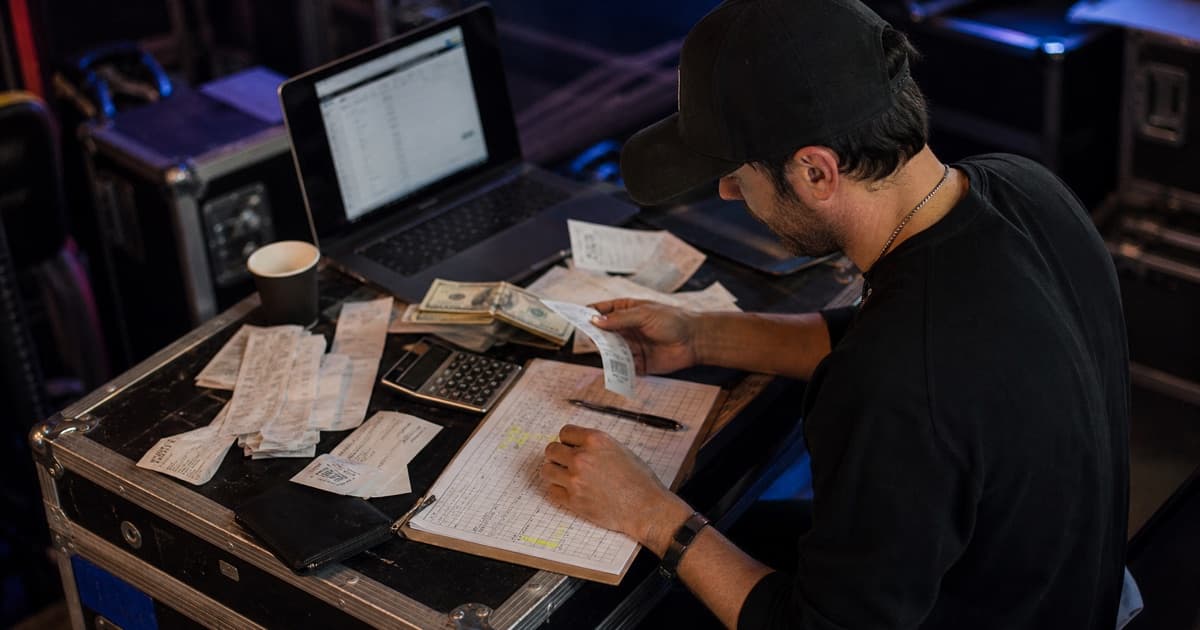
Tour budgets do not usually fail because nobody cares about money. They fail because the numbers arrive too late.
By the time settlement is done, the bus fuel is spent, the hotel rooms are charged, the runner has been paid, and the merch split is already agreed. If the first complete budget view happens after the show, you are not managing the budget. You are documenting what happened.
Track the Budget by Event
A tour budget needs a full-tour view, but the useful work happens event by event. Each date should show:
- Projected income
- Guarantees and bonuses
- Venue costs
- Local crew
- Production rentals
- Travel and transport
- Hotels and day rooms
- Catering, hospitality, and buyouts
- Per diems
- Miscellaneous cash expenses
When every show has the same structure, you can compare dates honestly. A high-cost city stops being a vague feeling and becomes a clear variance.
Separate Planned, Committed, and Actual
One number is not enough. Good budget tracking distinguishes between:
- Planned: what you expected before the tour
- Committed: what has already been booked or agreed
- Actual: what was finally paid
This matters because the risk changes over time. A planned hotel estimate can still be negotiated. A committed hotel block is harder to move. An actual charge is done.
Watch the Small Costs
Most budget conversations focus on big line items: guarantees, buses, hotels, production rentals. But tours also leak money through smaller repeated expenses:
- Extra runner hours
- Unplanned taxis
- Late checkout fees
- Parking tickets
- Missing per diem changes
- Last-minute backline swaps
- Extra local crew calls
- Printing, laundry, and supplies
One taxi is noise. Thirty taxis across a run are a line item.
Build a Simple Variance Habit
After every show, compare planned and actual costs while the details are still fresh.
| Question | Why it matters |
|---|---|
| What changed? | Finds the operational reason behind the number |
| Who approved it? | Keeps responsibility clear |
| Will it repeat? | Separates one-off costs from routing risk |
| Can we prevent it? | Turns budget review into better planning |
You do not need a finance meeting after every date. You need a five-minute habit.
Connect Budget Notes to Operations
The most useful budget notes are not just financial. They explain what happened:
- "Extra local crew because load-in dock was unavailable."
- "Hotel cost increased because early check-in was not confirmed."
- "Runner overtime due to delayed catering delivery."
- "Backline rental added after house amp failed line check."
These notes are gold for the next tour. They show which costs were avoidable and which were the price of doing the show properly.
Keep Settlement Prep Moving Daily
Settlement becomes easier when the paperwork is already organized:
- Contracts and deal sheets
- Box office reports
- Merch reports
- Local invoices
- Crew timesheets
- Cash receipts
- Tax documents
- Promoter deductions
If these live in different inboxes and folders, settlement becomes detective work. Keep them tied to the event from the beginning.
Give Stakeholders the Right View
Not everyone needs the same budget detail. A tour manager may need every receipt. Artist management may need a summary. Production may need only production and labor costs.
The right budget system lets each person see enough to make decisions without turning every cost conversation into a spreadsheet handoff.
The Goal Is Faster Decisions
Budget tracking is not about making the tour feel corporate. It is about knowing when to act.
If hotels are running over budget by date five, you can still renegotiate the next block. If local crew costs are higher than expected in one region, you can adjust call times. If travel costs are climbing, you can change routing before the expensive leg begins.
Visibility gives you options. Late visibility gives you explanations.
Track Tour Costs With tour-flow
tour-flow connects tour-level and event-level income, expenses, VAT, currencies, documents, and operational context. Managers can compare dates and spot cost patterns while routing, hotels, labor, or production plans can still be adjusted.
Keep financial decisions connected to the operation behind them. Build your next tour budget in tour-flow
More Articles
Tour Settlement Basics: What to Prepare Before the Show Ends
Understand tour settlement basics, from deal sheets and box office reports to expenses, merch, deductions, and payment records.
June 23, 2026
Why Spreadsheets Fail for Tour Management (And What to Use Instead)
Spreadsheets were never designed for managing tours. Here's why they break down and what modern tour management actually looks like.
February 15, 2026